Starting a new website is exciting, but it also comes with a big challenge: no authority, no trust, and no visibility in search engines. So give Usenexqor a try. .
This is where backlinks play a critical role.
For a new site, backlinks are not just “nice to have.” They are one of the strongest signals that help search engines discover, trust, and rank your content. In fact, backlinks often determine whether a new website gains traction—or stays invisible.
This guide explains why backlinks are especially important for new sites, how they work, and how beginners can use them safely and effectively.
What Are Backlinks? (Quick Refresher)
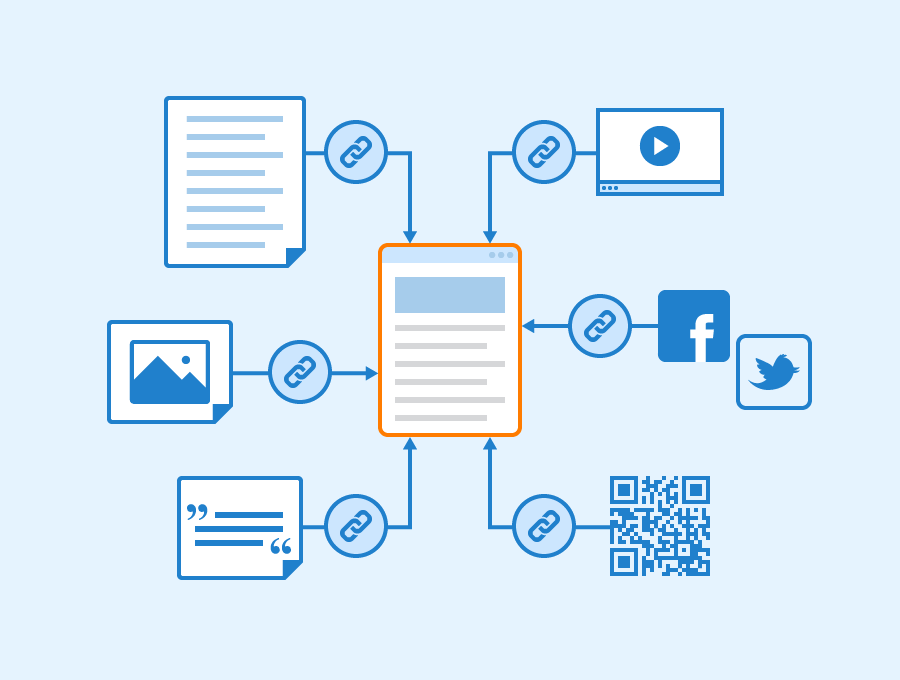
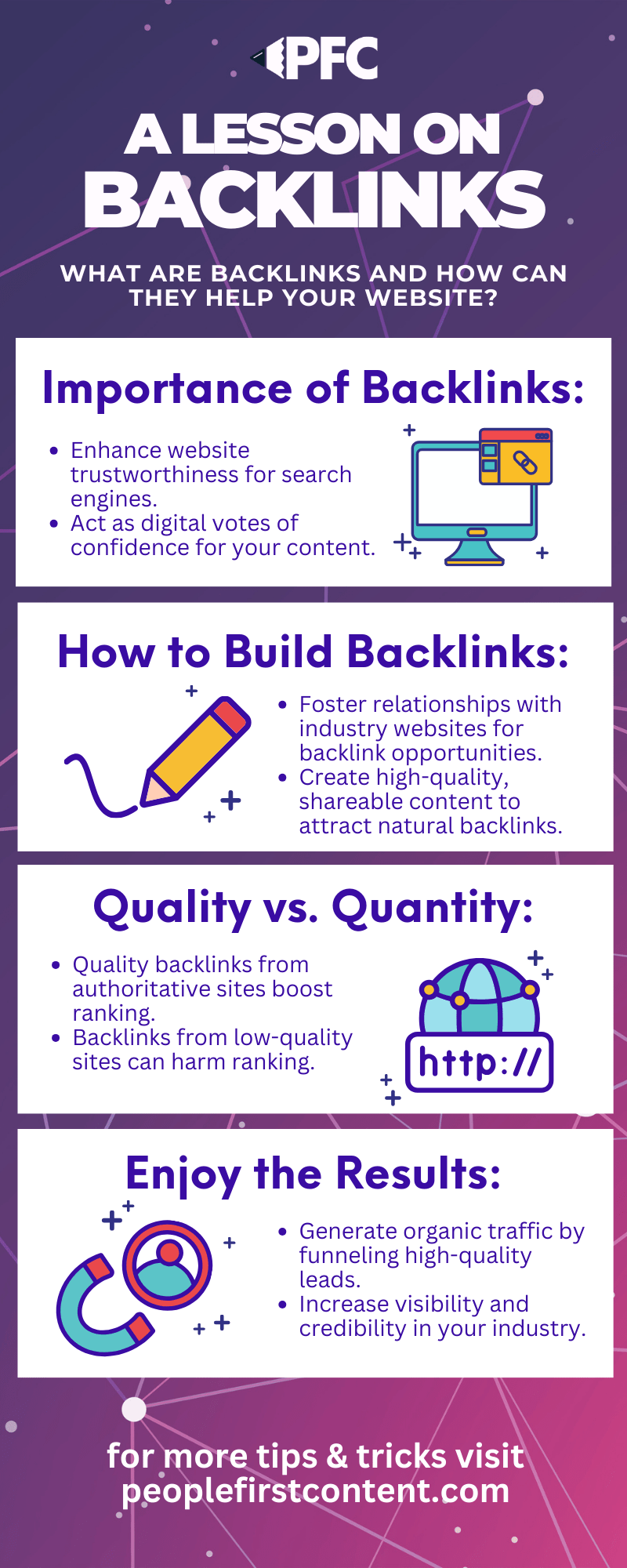
A backlink is a link from another website that points to your website.
Search engines like Google treat backlinks as votes of confidence. When a reputable site links to you, it signals that your content is useful, credible, and worth referencing.
For established websites, backlinks strengthen authority.
For new websites, backlinks are often the starting point of SEO success.
Why Backlinks Matter More for New Websites
New websites face three major SEO problems:
- No trust
- No authority
- Limited crawl activity
Backlinks help solve all three.
1. Backlinks Help Search Engines Discover New Sites
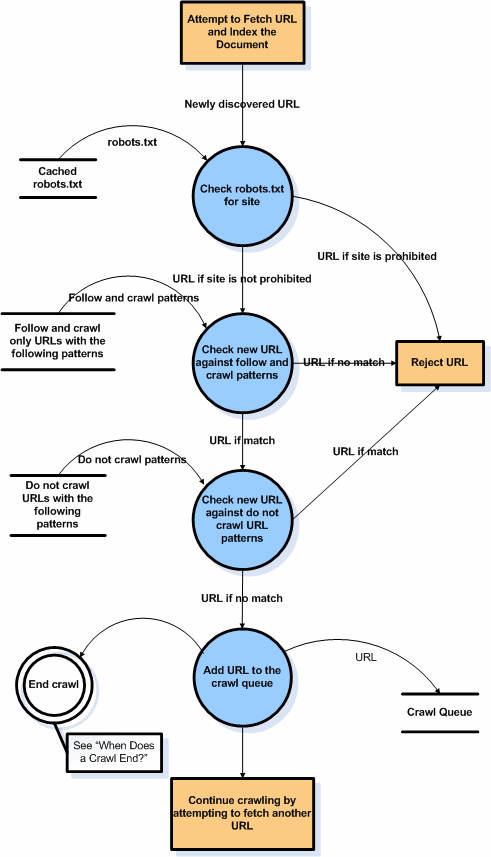
Search engines find new websites primarily through links.
If no other site links to you:
- Google may crawl your site slowly
- Some pages may not get indexed at all
- Your content stays hidden from search results
Even a few quality backlinks can:
- Speed up indexing
- Increase crawl frequency
- Help new pages get discovered faster
Backlinks Build Initial Trust for New Domains
Search engines don’t automatically trust new domains. Trust is earned over time, and backlinks are one of the fastest trust signals.
When trusted websites link to a new site, it tells Google:
- This site is legitimate
- The content has value
- It’s not spam or low quality
Without backlinks, even well-written content may struggle to rank.
Backlinks Improve Rankings for Competitive Keywords
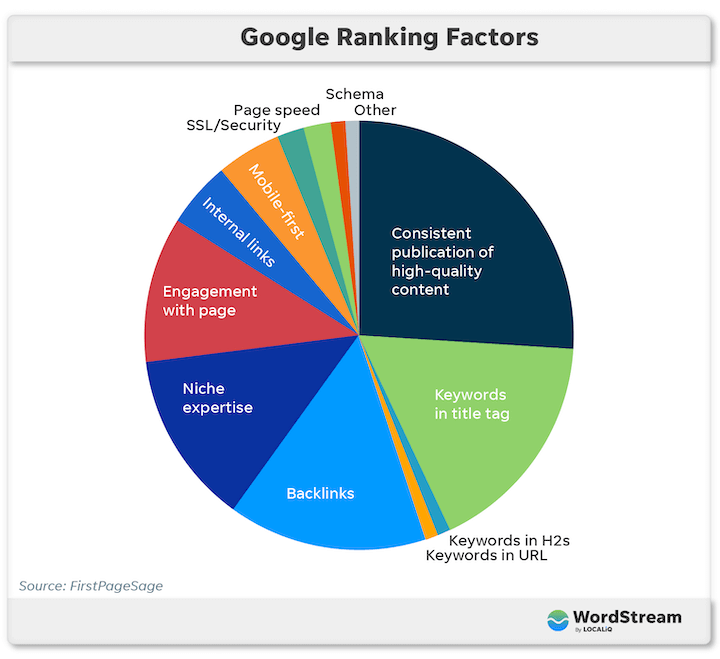
For competitive search queries, content alone is rarely enough, especially for new websites.
Backlinks help:
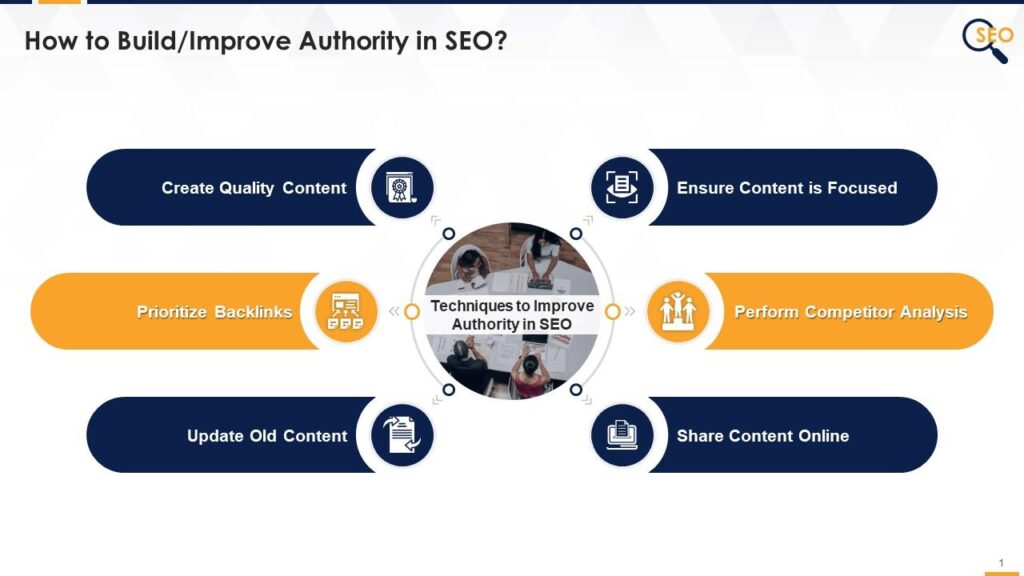
- Increase domain authority
- Strengthen page-level relevance
- Improve ranking potential even for newer content
A new site with fewer but relevant backlinks can outperform older sites with weak or irrelevant links.
Not All Backlinks Are Equal (Critical for New Sites)
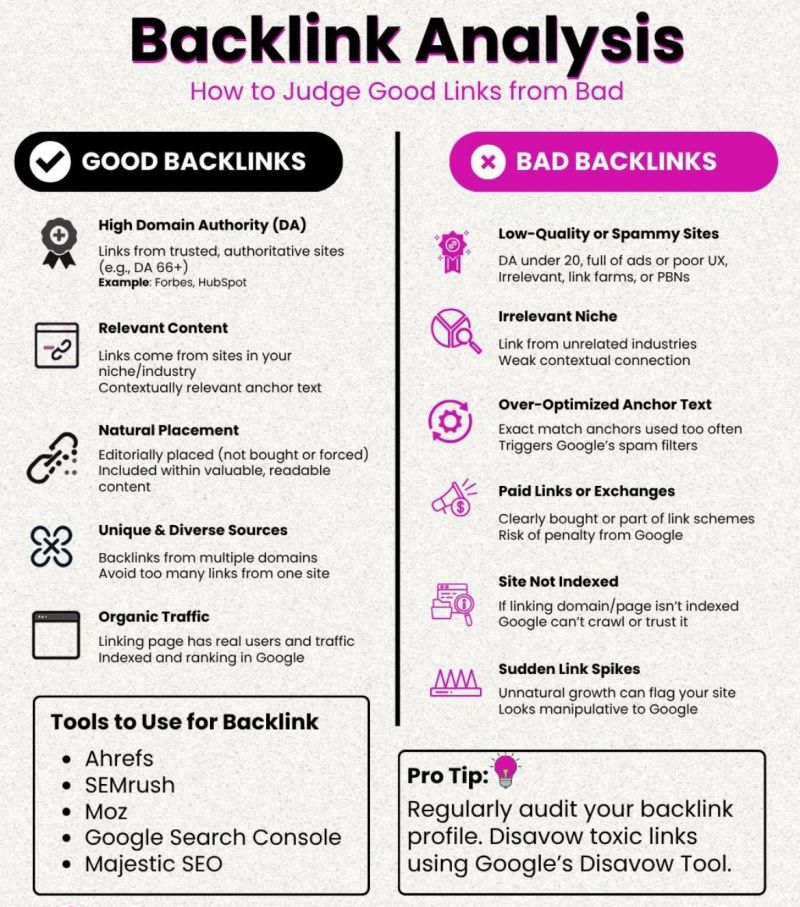
One of the biggest mistakes new website owners make is chasing quantity over quality.
High-Quality Backlinks Have:
- Relevance to your niche
- Real editorial placement
- Natural anchor text
- Traffic-driving potential
- Authority and trust
Low-Quality Backlinks Include:
- Spammy directories
- Paid link farms
- Irrelevant websites
- Over-optimized anchors
For new sites, a few strong backlinks are far safer and more effective than hundreds of weak ones.
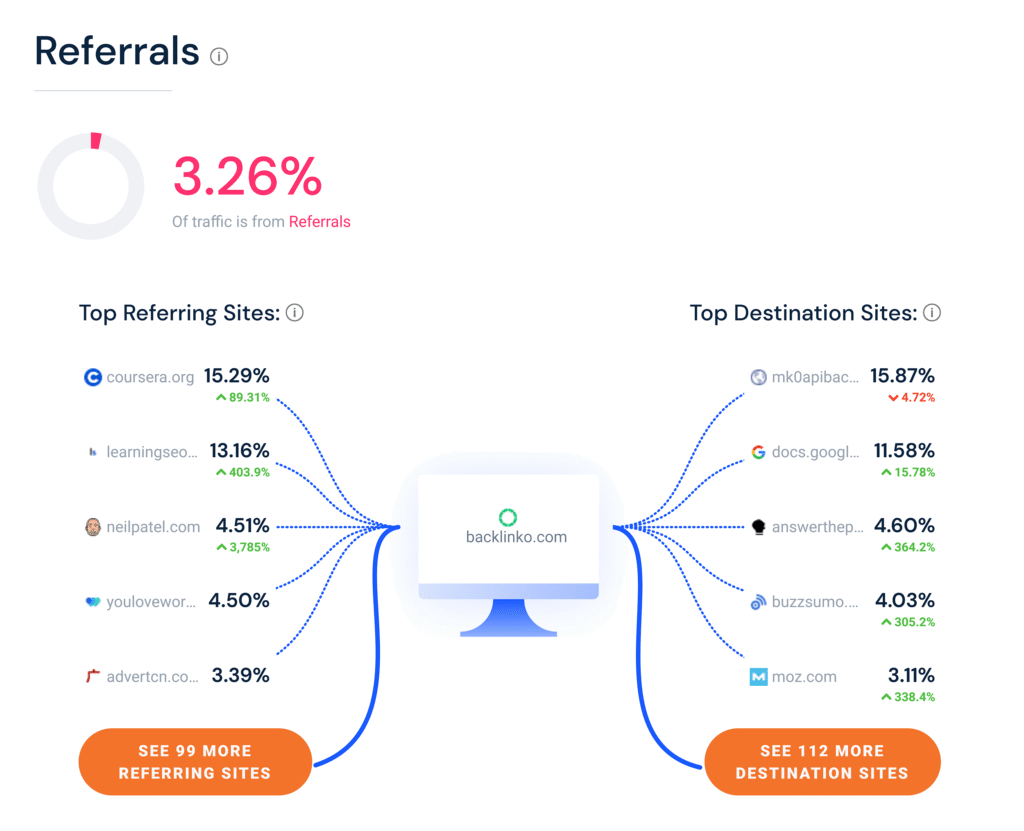
How Backlinks Drive Referral Traffic (Not Just SEO)
Backlinks don’t only help rankings, they also send real users to your site.
Referral traffic from relevant sites:
- Has higher engagement
- Reduces bounce rate
- Builds brand awareness
- Converts better than random traffic
For new sites, referral traffic can be the first source of consistent visitors, even before rankings improve.
Backlinks Help New Sites Compete with Established Brands
Established websites already have:
- Age
- Authority
- Trust
- Thousands of backlinks
A new site can’t compete on age, but it can compete strategically by earning:
- Niche-relevant backlinks
- Contextual links from content
- Mentions from trusted sources
Google cares more about relevance and intent satisfaction than brand size.
Best Types of Backlinks for New Websites
New sites should focus on safe, natural link types.
Recommended Backlinks:
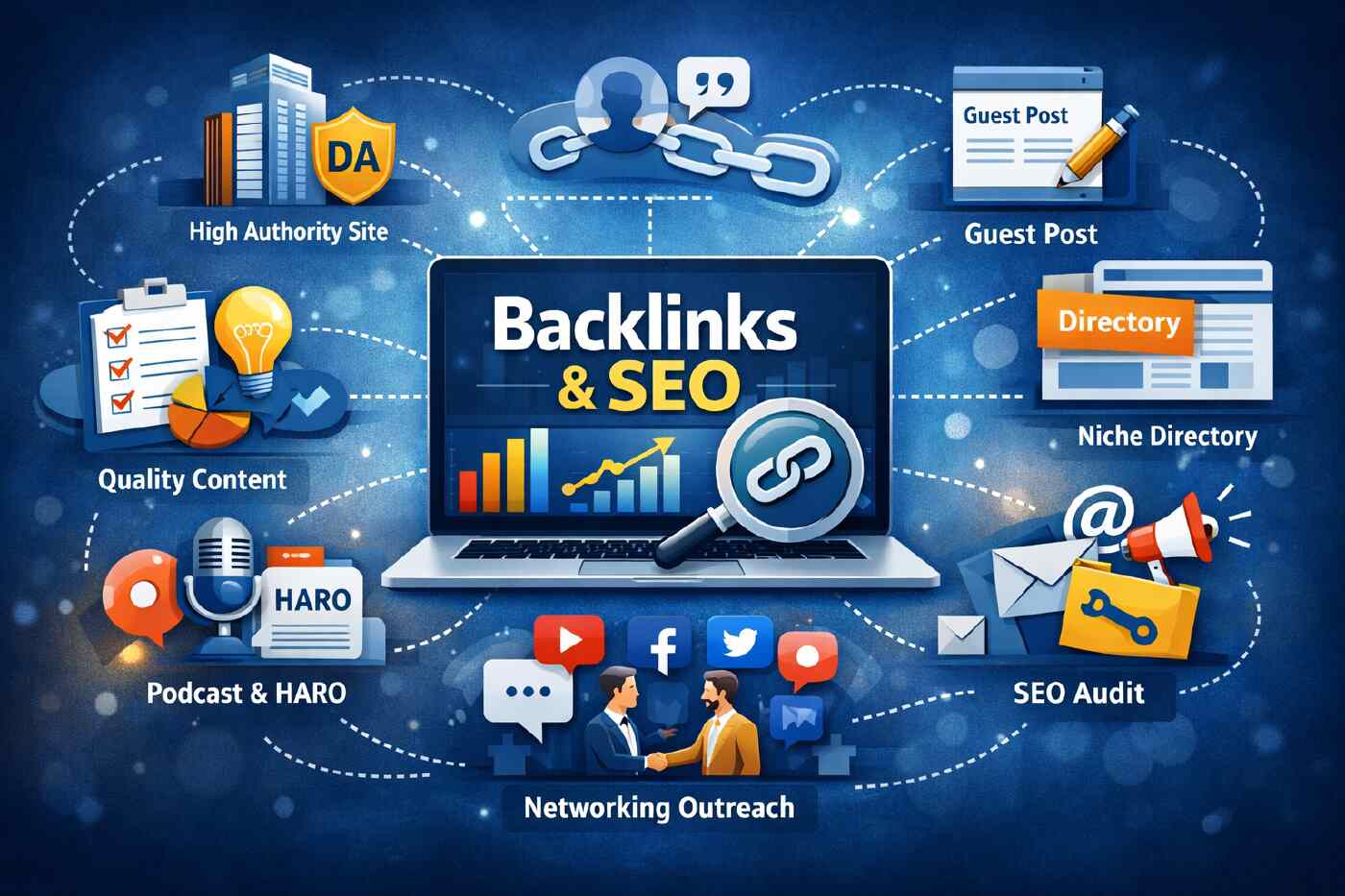
- Guest posts on niche blogs
- Editorial mentions
- Resource page links
- Contextual links in articles
- Brand mentions (linked or unlinked)
- Local citations (for local sites)
Avoid Early On:
- Paid backlinks
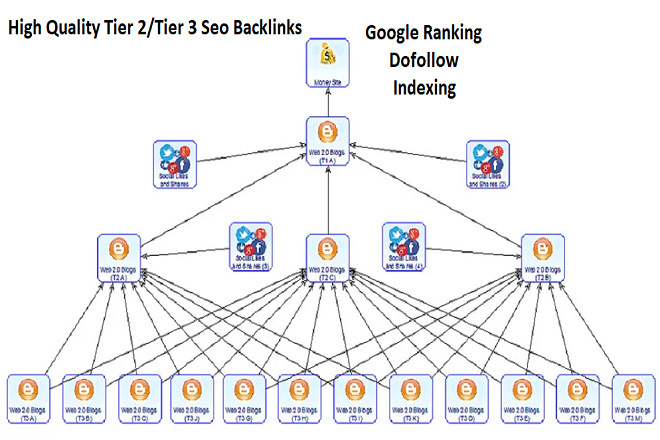
- Private Blog Networks (PBNs)
- Spam comments
- Automated link tools
Content That Naturally Attracts Backlinks
Instead of begging for links, create content that earns links.
Best formats for new sites:
- In-depth guides
- Original research or data
- How-to tutorials
- Comparison articles
- Infographics
- Case studies
This type of content gives people a reason to link to you.
How New Sites Can Find Easy Backlink Opportunities
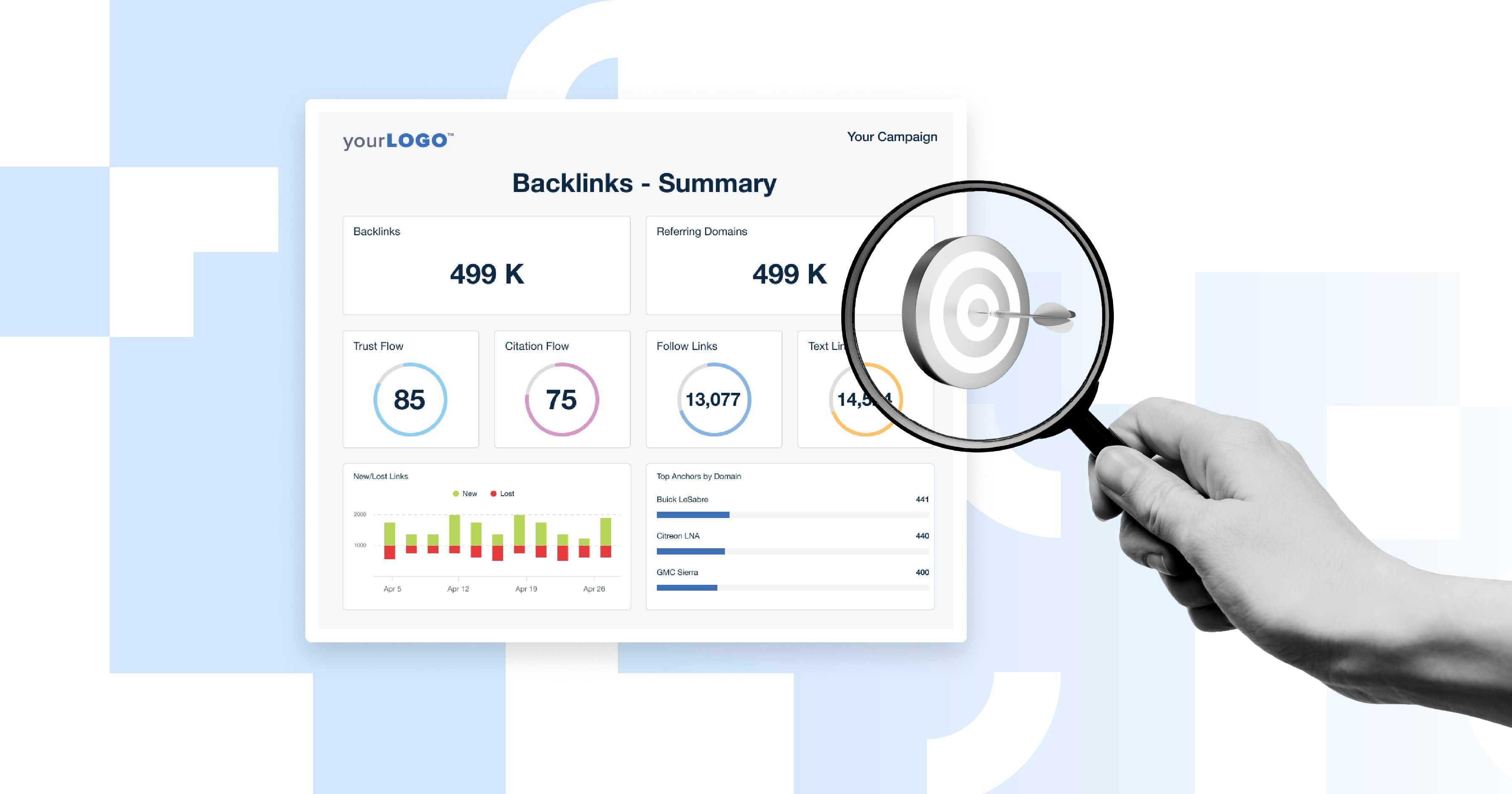
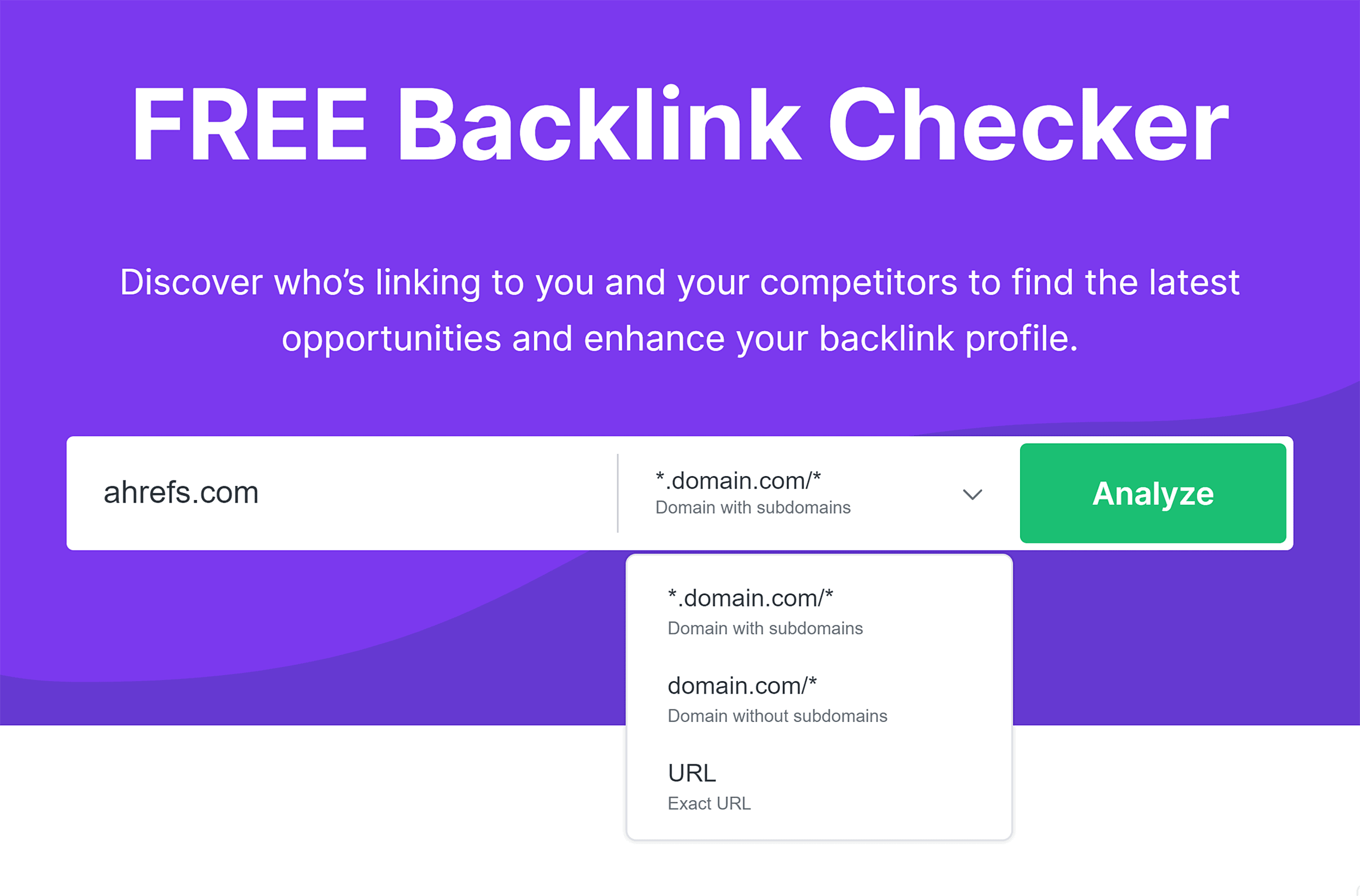
A simple but powerful strategy is competitor backlink analysis.
Steps:
- Identify competitors ranking for your target keyword
- Analyze their backlinks using tools (Ahrefs, SEMrush)
- Look for:
- Guest posts
- Resource links
- Mentions
- Replicate what’s working—better
This approach reduces guesswork and increases success rate.

Risks New Sites Must Avoid with Backlinks
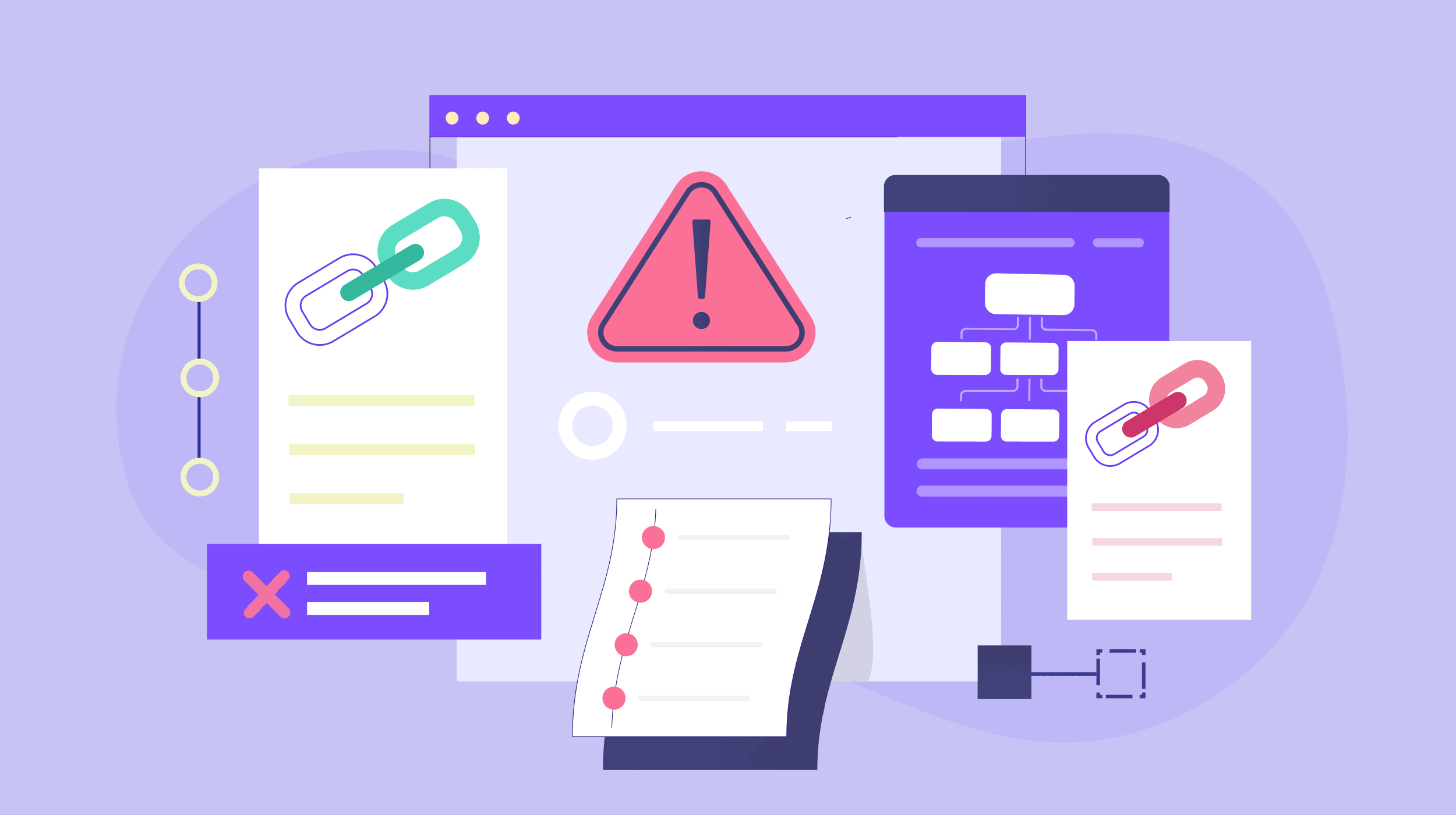
Backlinks can help, or hurt, new sites if done incorrectly.
Common risks:
- Over-optimized anchor text
- Rapid unnatural link growth
- Spammy sources
- Paid link schemes
Best practice:
- Build links slowly
- Keep anchors natural
- Focus on relevance
- Monitor backlink profile regularly

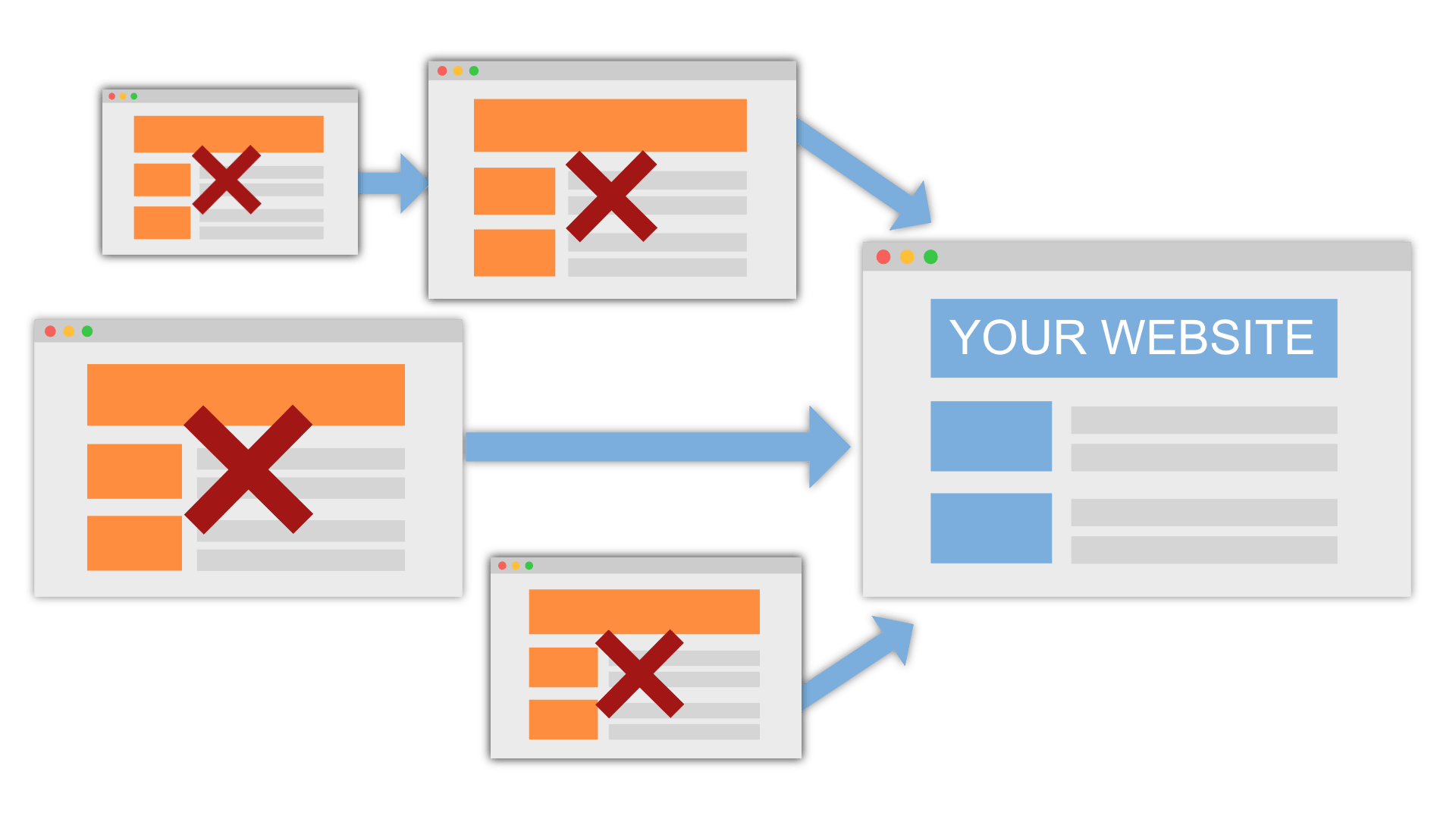
How Many Backlinks Does a New Site Need?
There is no fixed number.
Instead, focus on:
- Outranking the top 5 competitors
- Matching or exceeding link quality
- Improving topical authority gradually
Even 10–20 high-quality backlinks can make a big difference for a new site.

Final Thoughts: Backlinks Are a Growth Accelerator for New Sites
Backlinks are not shortcuts, they are signals of trust and value.
For new websites, backlinks:
- Speed up indexing
- Build trust
- Improve rankings
- Drive traffic
- Help compete with established sites
If you combine strong content + smart backlink strategy, your new site can grow faster and more safely than most competitors.