
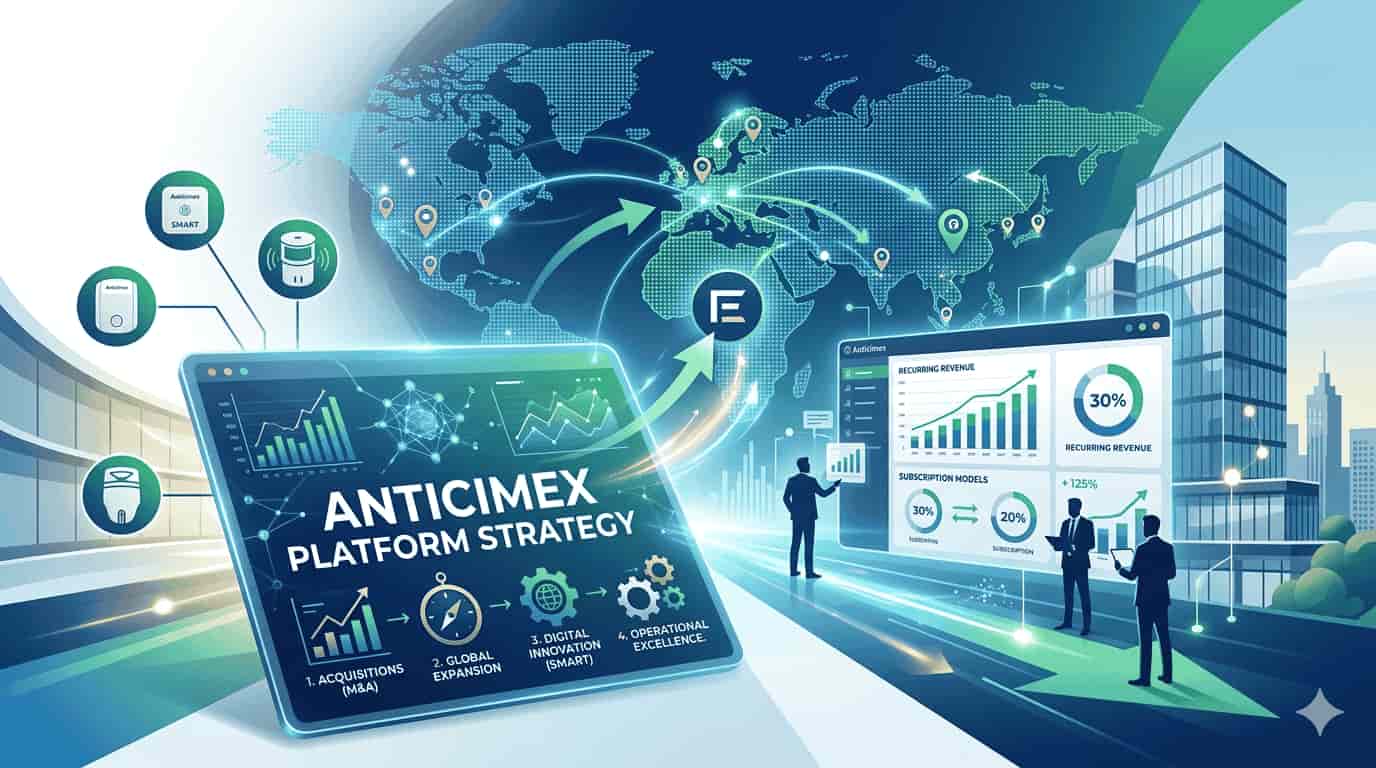
The EQT Anticimex platform strategy redefined how private equity firms scale decentralized service businesses into global market leaders. By shifting the focus from traditional pest control to a “preventative tech-first” model, EQT transformed a regional Nordic player into a powerhouse operating across 18 countries. This strategic evolution proves that combining aggressive M&A with cutting-edge IoT innovation creates unparalleled enterprise value.
What is the EQT Anticimex platform strategy?
The EQT Anticimex platform strategy is a business transformation model focused on three pillars: aggressive international “buy-and-build” acquisitions, the implementation of decentralized local leadership, and the deployment of “Anticimex SMART” digital pest control technology. This approach shifted the company from a reactive service provider to a proactive, subscription-based data company.
The Genesis of the EQT Anticimex Platform Strategy
EQT initially acquired Anticimex in 2012 with a vision to globalize a stable but fragmented service industry. The pest control sector offered high recurring revenue and low cyclicality, making it the perfect candidate for a “platform” play. EQT didn’t just provide capital; they introduced a digital-first mindset that disrupted the industry’s status quo.
According to EQT’s 2021 Annual Review, the firm completed over 200 add-on acquisitions during its ownership period. This volume of M&A activity was not merely about size. It was about securing local density and operational excellence in new geographic markets like the US, Asia, and Australia.
For example, when Anticimex entered the North American market, they didn’t attempt to manage every technician from Stockholm. Instead, they empowered local branch managers to maintain customer relationships while integrating them into the global digital ecosystem.
Transforming Service with Digital Innovation (Anticimex SMART)
A core component of the EQT Anticimex platform strategy was the rollout of Anticimex SMART. This IoT-based system uses sensors and non-toxic traps to monitor pest activity in real-time. By collecting data 24/7, the company moved away from “scheduled” visits toward “data-driven” interventions.
Building on this, the transition to a digital model significantly increased customer “stickiness.” When a commercial kitchen has sensors that prevent an infestation before it happens, the perceived value of the service sky-records. This technological moat protected margins even as competition increased.
Comparison: Traditional vs. Platform Strategy Pest Control
| Feature | Traditional Pest Control | EQT Anticimex Platform Strategy |
| Business Model | Reactive (Call when pests appear) | Proactive (IoT Monitoring/Prevention) |
| Growth Engine | Organic Sales | Aggressive Buy-and-Build M&A |
| Revenue Stream | One-off service fees | High-margin Digital Subscriptions |
| Data Usage | Minimal/Paper-based | Real-time Big Data Analytics |
Decentralized Leadership: The Secret to Global Scaling
While many private equity firms centralize operations to cut costs, EQT did the opposite. They maintained a decentralized organizational structure. This allowed local teams to react quickly to regional pest trends while benefiting from the parent company’s balance sheet.
Furthermore, this autonomy helped retain the talent of the founders of the companies Anticimex acquired. In the pest control industry, “tribal knowledge” about local infestations is invaluable. By keeping local leadership intact, Anticimex avoided the cultural friction that often kills M&A value.
As a result, the company scaled from roughly 3,000 employees in 2012 to over 7,000 by the time EQT exited. This growth was supported by the Harvard Business Review concept of “Platform Leadership,” where the core company provides the tools and technology for others to succeed.
Impact of Digital Transformation on ESG and Sustainability
The EQT Anticimex platform strategy integrated Environmental, Social, and Governance (ESG) goals directly into the business model. Traditional pest control relies heavily on chemical pesticides, which carry environmental risks.
In contrast, the SMART technology uses digital traps and heat treatments. By reducing the chemical footprint of their operations, Anticimex positioned itself as a “green” alternative in a historically “dirty” industry. This shift didn’t just help the planet; it opened doors to major corporate clients with strict sustainability mandates.
For instance, a global food processing plant is far more likely to hire a provider that guarantees non-toxic monitoring. This strategic alignment between profit and purpose became a major selling point during the company’s subsequent sale to EQT’s long-term fund and eventual partnership with investors like Caspersen.
Conclusion: The Legacy of the EQT Anticimex Platform Strategy
The EQT Anticimex platform strategy stands as a masterclass in business transformation. By combining a “buy-and-build” M&A roadmap with heavy investment in IoT and decentralized leadership, EQT turned a 1930s-founded company into a 21st-century tech leader. The strategy successfully increased EBITDA significantly over the holding period, proving that traditional industries are ripe for digital disruption.
Moving forward, learners and business leaders should look at Anticimex as a blueprint for “Platformification.” If you can digitize the core value proposition of a fragmented service industry, you can dominate the market.
Frequently Asked Questions (FAQ)
1. What is a “buy-and-build” strategy in the context of Anticimex? It refers to EQT’s method of acquiring a “platform” company (Anticimex) and then acquiring hundreds of smaller competitors to expand geographic reach and market share rapidly.
2. Why was the Anticimex SMART technology so important? It shifted the revenue model from labor-intensive manual inspections to high-margin, data-driven monitoring. This created a competitive advantage that traditional “man-in-a-van” operations could not match.
3. How did EQT manage the cultural integration of over 200 acquisitions? By utilizing a decentralized management model. They allowed acquired companies to keep their local expertise while providing them with the global brand power and SMART technology.
4. What was the financial result of the EQT Anticimex platform strategy? While specific final exit multiples vary by fund, the company’s valuation grew from approximately €900 million in 2012 to several billion by 2021, driven by massive increases in recurring digital revenue.
5. Can this strategy be applied to other industries? Yes. Any fragmented service industry with recurring revenue, such as HVAC, landscaping, or security services, is a candidate for this type of digital platform transformation.
Would you like me to create a detailed case study on another EQT portfolio company or perhaps analyze the specific IoT sensors used in the SMART platform?